Purple shamrock vs Chinese money plant
Oxalis triangularis · Pilea peperomioides
Pet safety: Chinese money plant is listed non-toxic to cats and dogs; Purple shamrock is toxic (soluble calcium oxalates). If the two are sold under the same name, a mislabelled plant is a genuine risk in a house with animals.
Why these two get mixed up
Chinese money plant is recorded here as a pet-safe alternative to Purple shamrock, so the question is usually whether the swap is actually a fair one.
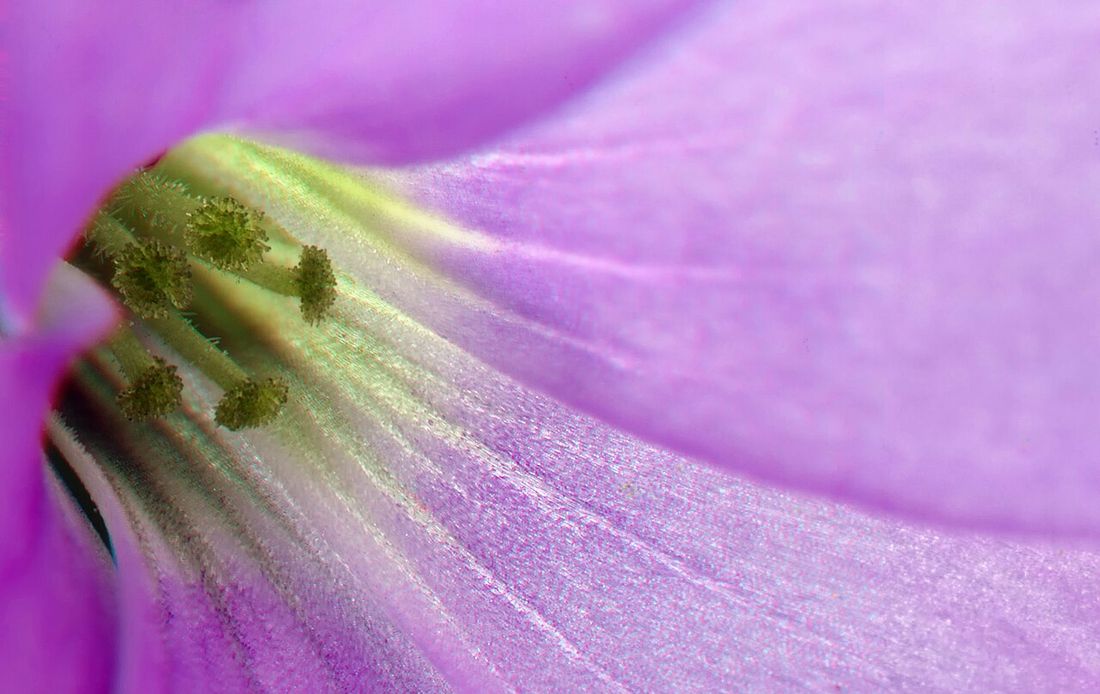


| Purple shamrock | Chinese money plant | |
|---|---|---|
| Scientific name | Oxalis triangularis | Pilea peperomioides |
| Family | Oxalidaceae | Urticaceae |
| Light floor | Medium | Medium |
| Water | 6–11 days | 6–11 days |
| Humidity floor | 40% | 40% |
| Mature height | 6–12 in | 8–18 in |
| Habit | clumping | upright |
| Growth rate | fast | fast |
| Difficulty | Easy | Easy |
| Toxic to pets | Yes | No |
| Typical price | $8–25 | $12–35 |
Highlighted cells are where the two actually differ. Everything else they share.
The differences that matter
Pet safety
This is the difference that matters most. Chinese money plant is listed non-toxic to cats and dogs; Purple shamrock is toxic (soluble calcium oxalates). If the two are sold under the same name, a mislabelled plant is a genuine risk in a house with animals.
Habit
Purple shamrock grows clumping; Chinese money plant grows upright. That decides where each one physically works.
Not even related
Purple shamrock is Oxalidaceae, Chinese money plant is Urticaceae. They share a shop label and nothing else — different families, different continents, different care.
Which should you buy?
- With a cat or dog in the house, take Chinese money plant. The other is toxic, and if the shop label is wrong you will not know which you have brought home.
- In a dim room, take either — both have a medium light floor.
- If you forget to water, take either.
- If it is your first plant, take either — both score 2 of 5.
- For a small shelf, take Purple shamrock, which stops around 12 inches.
Full entries
Purple shamrock — care fields with sources, toxicity with every authority consulted, propagation and diagnosis. Chinese money plant — the same.
Sources
- This database's own care records for Oxalis triangularis and Pilea peperomioides — every figure compared above.
- Royal Botanic Gardens Kew, Plants of the World Online — accepted names and families for Oxalis triangularis and Pilea peperomioides
- ASPCA Animal Poison Control — toxicity classification for both, cited on each species entry
- Photographs: Wikimedia Commons, individually credited and licensed above
Compiled and edited by Tony Valcarcel · 2026-09-12
Every comparison above is drawn from a recorded field. Where the honest
distinguisher is visual we show both photographs rather than describing a leaf
we have no field for. How this is sourced.