Banyan fig vs Rubber plant
Ficus benghalensis · Ficus elastica
Banyan fig and Rubber plant are close on every field we record, so choose on looks or price.
Why these two get mixed up
Both are Ficus, so they arrive on the same shelf under near-identical labels and are routinely swapped in the trade.
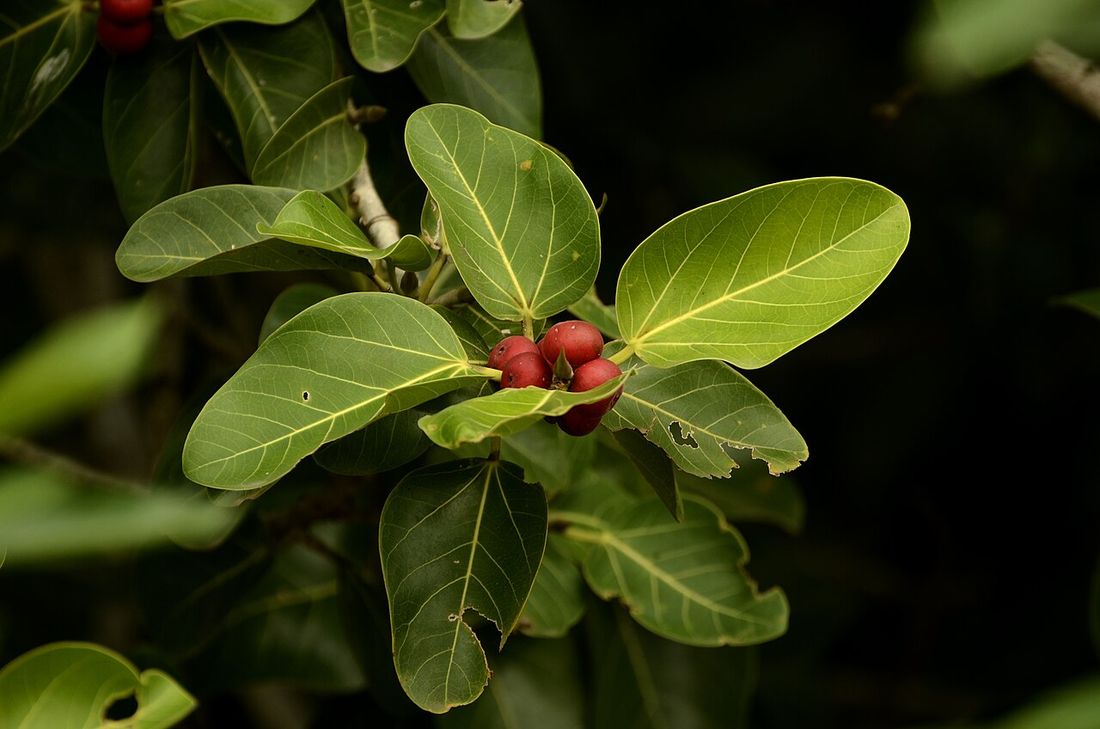


| Banyan fig | Rubber plant | |
|---|---|---|
| Scientific name | Ficus benghalensis | Ficus elastica |
| Family | Moraceae | Moraceae |
| Light floor | Medium | Medium |
| Water | 7–14 days | 7–14 days |
| Humidity floor | 40% | 40% |
| Mature height | 36–120 in | 24–120 in |
| Habit | upright | upright |
| Growth rate | moderate | moderate |
| Difficulty | Easy | Easy |
| Toxic to pets | Yes | Yes |
| Typical price | $30–110 | $20–70 |
Highlighted cells are where the two actually differ. Everything else they share.
The differences that matter
On every field we record these two are close. Choose on looks, price or whichever the shop has — the care will be much the same.
Which should you buy?
- In a dim room, take either — both have a medium light floor.
- If you forget to water, take either.
- If it is your first plant, take either — both score 2 of 5.
- For a small shelf, take either.
Full entries
Banyan fig — care fields with sources, toxicity with every authority consulted, propagation and diagnosis. Rubber plant — the same.
Sources
- This database's own care records for Ficus benghalensis and Ficus elastica — every figure compared above.
- Royal Botanic Gardens Kew, Plants of the World Online — accepted names and families for Ficus benghalensis and Ficus elastica
- ASPCA Animal Poison Control — toxicity classification for both, cited on each species entry
- Photographs: Wikimedia Commons, individually credited and licensed above
Compiled and edited by Tony Valcarcel · 2026-09-12
Every comparison above is drawn from a recorded field. Where the honest
distinguisher is visual we show both photographs rather than describing a leaf
we have no field for. How this is sourced.